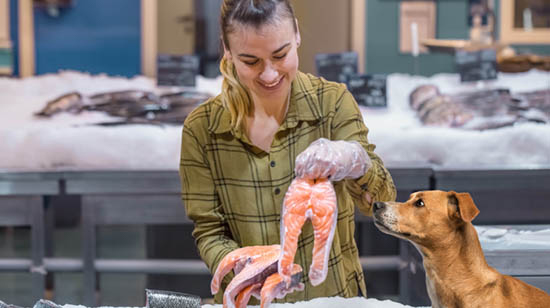
The raw feeding movement has taken the Irish dog world by storm. Walk into any local park from Marlay Park to the Salthill Prom and you'll meet at least one owner who swears by the BARF diet. But for the uninitiated, the idea of handling raw meat and calculating bone percentages can feel overwhelming. If you're curious about switching your dog to raw but don't know where to start — or where to buy it in Ireland — this guide is for you.
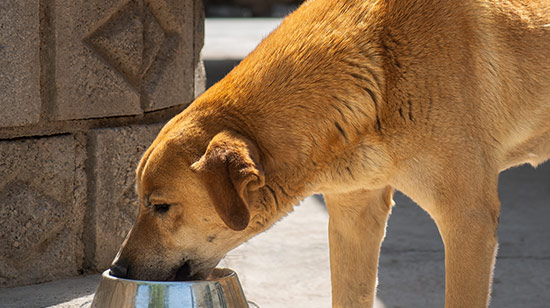
We cover what raw feeding actually involves, the suppliers delivering to Irish doors, how to make the transition safely, and what to do about the hygiene concerns that put most people off in the first place.
What is Raw Feeding — BARF Explained
BARF stands for Biologically Appropriate Raw Food — sometimes also referred to as Bones and Raw Food. The philosophy is straightforward: feed the dog closer to what it evolved to eat, rather than a heavily processed kibble built around cheap carbohydrate filler.
A standard raw diet follows the 80:10:10 rule:
80% muscle meat — the primary energy and protein source. Chicken, beef, lamb, turkey, pork. This is the bulk of every meal.
10% edible bone — for calcium and phosphorus balance, and a natural teeth-cleaning mechanism. Chicken wings, necks, and carcasses are the most common starting points.
10% organ meat — the nutritional multivitamin of the diet. Usually split as 5% liver and 5% other secreting organs such as kidney or spleen. Organ meat is nutrient-dense and should not be overfed.
Many Irish raw feeders also add a small percentage of blitzed green vegetables and berries to mimic the stomach contents of wild prey — though this is optional rather than essential for a balanced diet.
3 Reasons Irish Owners Are Making the Switch
Smaller, Firmer Waste
Because raw food contains no fillers like maize or wheat, dogs absorb a much higher proportion of what they eat. The practical result is significantly smaller, firmer, and less odorous waste. For owners in Irish cities and towns where public clean-up is part of daily life, this is not a minor benefit.
Dental Health
Chewing through raw bone and sinew acts as a natural toothbrush. Regular bone feeding reduces plaque buildup and dramatically improves breath in most dogs. If your dog has been flagged by a vet for dental scaling, it's worth considering raw bone as part of a preventative approach.
Skin and Coat Improvement
The high levels of natural fats and the absence of artificial preservatives and colourings common in processed food often produce visible coat and skin improvements within a few weeks of switching. If your dog has chronic itchy skin or a dull coat and you've ruled out environmental allergies, diet is the next logical place to look. Our guide to salmon oil for dogs covers how omega-3 supplementation can work alongside raw feeding for skin support.
Where to Buy Raw Dog Food in Ireland
Gone are the days of begging your local butcher for scraps. Ireland now has a number of dedicated raw food producers offering complete frozen meals delivered directly to your door.
Carnivore Kelly's
A firm favourite in the Irish raw feeding community, Carnivore Kelly's is run by experienced master butchers. They offer chubs — frozen rolls of complete raw mix — that are pre-balanced to the 80:10:10 ratio, making them an ideal starting point for anyone not yet ready to build their own meals from scratch. Widely recommended in Irish dog owner groups online.
Raw Necessity
Based and sourced in Ireland, Raw Necessity focuses on high-quality lean meats. Their minces have a chunkier texture than many competitors — something that fussy dogs often respond better to than the smoother, slushier texture of some mass-produced raw. Good range of proteins across the product line.
Rathlin Raw
Sourcing ingredients from Northern Ireland, Rathlin Raw is popular for its complete ranges that include seasonal vegetables and kelp — a useful source of Irish minerals. A solid option if you want complete meals with added plant matter already incorporated.
Maxi Zoo and Specialist Shops
If you prefer to buy in person rather than ordering frozen delivery, Maxi Zoo stores across Ireland now stock dedicated raw freezers, typically stocking PetBalance or Premiere branded ranges. Independent pet shops in most county towns carry at least one raw brand — Paleo Ridge and Bella & Duke are among the most widely distributed.

How to Start — The 7-Day Transition
Don't swap kibble for raw overnight. A dog's digestive system needs time to adjust — the gut enzymes and stomach acid pH required to safely digest raw meat are different from what a long-term kibble-fed dog has been producing.
Day 1. Fast your dog for 12 to 24 hours, water only. This allows the digestive tract to clear out before introducing a fundamentally different food type.
Days 2–4. Start with a single gentle protein. Plain raw chicken or turkey is the standard starting point — it's lean, widely available, and easy for most dogs to digest. Feed smaller meals than usual.
Days 5–7. If stools are firm, introduce a second protein such as beef or lamb. Loose stools at this stage usually mean you've moved too fast — drop back to chicken only for another two or three days.
Week 2 onwards. Once the dog is settled on two proteins, move to a complete mix that includes the 10% bone and 10% organ components. If you're using a supplier's pre-made complete chubs, this step is already handled for you.
The Hygiene Question — Handling Raw Safely
The bacteria concern — Salmonella being the most cited — is the most common reason owners hesitate. The risk is real but easily managed with basic kitchen hygiene. The golden rule: treat raw dog food exactly as you would treat raw chicken you were preparing for your own dinner.
Defrost in the fridge. Use a sealed container on the bottom shelf. Never defrost at room temperature or in standing water.
Dedicated bowls. Stainless steel or ceramic only — plastic harbours bacteria in scratches and is harder to fully sanitise.
Clean everything immediately. Bowls, surfaces, and hands with hot soapy water straight after feeding. Don't leave raw food sitting in the bowl between meals.
Households with very young children, elderly members, or immunocompromised individuals should discuss raw feeding with their GP as well as their vet before starting, as the hygiene requirements are more critical in those situations.
Is Raw Feeding Worth the Effort?
Raw feeding is more work than pouring kibble into a bowl. It requires freezer space, forward planning for defrosting, and a small amount of preparation time per meal. For owners who travel frequently or have an unpredictable schedule, a quality dry food like the brands covered in our best dog food Ireland guide may be a more practical everyday choice.
For owners who can commit to it, the results are often convincing. Improved coat condition, better dental health, and firmer digestion are the three changes most consistently reported by Irish raw feeders after the first month of switching.
If you're nervous about getting the balance right from the start, begin with complete frozen meals from a reputable Irish supplier. They've already calculated the 80:10:10 ratio — your job is defrosting and serving. You can move to DIY meal building once you understand how your dog responds to different proteins.
Frequently Asked Questions
Raw feeding is appropriate for most healthy adult dogs. It requires more caution for puppies under 12 weeks, dogs undergoing chemotherapy or with severely compromised immune systems, and very elderly dogs with existing digestive conditions. Always discuss a dietary change with your vet first if your dog has a known health condition. For healthy dogs, the transition is generally safe when done gradually.
The standard guideline is 2–3% of the dog's ideal adult body weight per day, split across two meals. A 30kg dog would typically eat around 600–900g of raw food daily. Active working dogs may need up to 4%, while older or less active dogs may do better at 1.5–2%. Adjust based on your dog's condition — you should be able to feel the ribs without pressing hard, but not see them.
Mixing raw and kibble in the same meal is generally not recommended. Kibble and raw food digest at different rates — kibble slows digestion and can cause raw meat to sit in the gut longer than is ideal. If you want to feed both, separate them into different meals rather than combining in the same bowl. Some owners successfully feed raw in the morning and a small kibble meal in the evening without issues.
Carnivore Kelly's delivers across the Republic of Ireland. Delivery is frozen using insulated packaging. Check their website directly for current delivery areas, minimum order values, and pricing — these details change periodically and are best confirmed at source rather than relying on third-party information.
A correctly balanced 80:10:10 raw diet from a reputable complete supplier should not require significant additional supplementation. However, many Irish raw feeders add fish oil for omega-3 support — particularly for skin and coat — and a joint supplement for older dogs. See our guides to salmon oil for dogs and the best joint supplements for dogs in Ireland for specifics. If you're building DIY raw meals rather than using a complete product, a veterinary nutritionist review is worthwhile to confirm the diet is balanced.